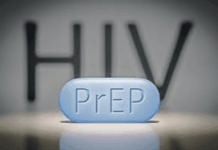
Providing pre-exposure prophylaxis (PrEP) services in pharmacies is an effective approach that makes the services more easily accessible, according to a study conducted in Malaysia.
The results showed high acceptability, appropriateness, feasibility, fidelity, adoption, and indications of sustainability, the study authors wrote.
Oral HIV pre-exposure prophylaxis (PrEP) is available for free in Malaysian public clinics, but uptake is low, with fewer than 5,000 users in 2024. This lack of use may be due to stigma, long wait times, and limited clinic hours.
To explore whether adding pharmacy-led PrEP services would increase the medication uptake, the investigators conducted a prospective study at six private pharmacies in urban Klang Valley between October 2023 and October 2024.
Pharmacists evaluated PrEP eligibility for participants aged 18 to 49 years using digital checklists. They also facilitated oral-fluid HIV self-testing, provided PrEP counseling, coordinated electronic prescriptions with physicians through a telemedicine platform, and dispensed PrEP at a cost of around $15 US per month. They performed follow-ups at 1, 4, and 7 months after the initiation of treatment.
Of the 230 enrolled participants, 211 attended baseline visits. The median age was 30 years, 92% were gay or bisexual men, 37% reported condomless sex within the past three months, 52% were first-time PrEP users, and 65% preferred event-driven PrEP.
Of the 205 participants who initiated PrEP, 30 who self-reported PrEP use within the past 6 months and had negative HIV test results within three months at baseline were followed up at 3 and 6 months.
The researchers collected implementation outcomes data—acceptability, appropriateness, feasibility, fidelity, and sustainability—through post-study online surveys. They obtained adoption data from participant records. They measured acceptability, appropriateness, and feasibility with a validated 4-item tool. They assessed fidelity according to eight items related to core service components, and they measured sustainability by satisfaction and willingness to recommend and continue the service at the retail price of around $35 US per month.
Retention rates at the first, second, and third follow-ups were 82%, 75%, and 72%, respectively, excluding the 30 participants who required only two follow-ups. Survey completion was 79%. Mean acceptability, appropriateness, feasibility, and fidelity scores were 4.81, 4.77, 4.76, and 4.76, respectively, out of 5 points. Satisfaction (9.39 out of 10), willingness to recommend the PrEP services (98%), and willingness to continue the services (83%) were high.
Reference
Gan YN, et al. IAS 2025. E-Poster EP1104